Job Seekers Are Redefining 2026 career priorities
In 2026, the labor market isn’t just shifting—it’s being completely redefined. According to the latest Aerotek Job Seeker Survey, the traditional “corporate ladder” is losing its luster, replaced by a workforce that prioritizes cultural alignment, skill acquisition, and non-linear growth.
Based on the findings from Aerotek’s Q1 2026 report, here is a breakdown of how job seekers are reshaping their career priorities and what it means for the future of work.
1. Retention is Personal: It’s About Managers and Culture
The data is clear: people don’t just leave companies; they leave cultures and managers. Aerotek found that 37% of respondents left their shortest-tenured job specifically due to poor culture or management.
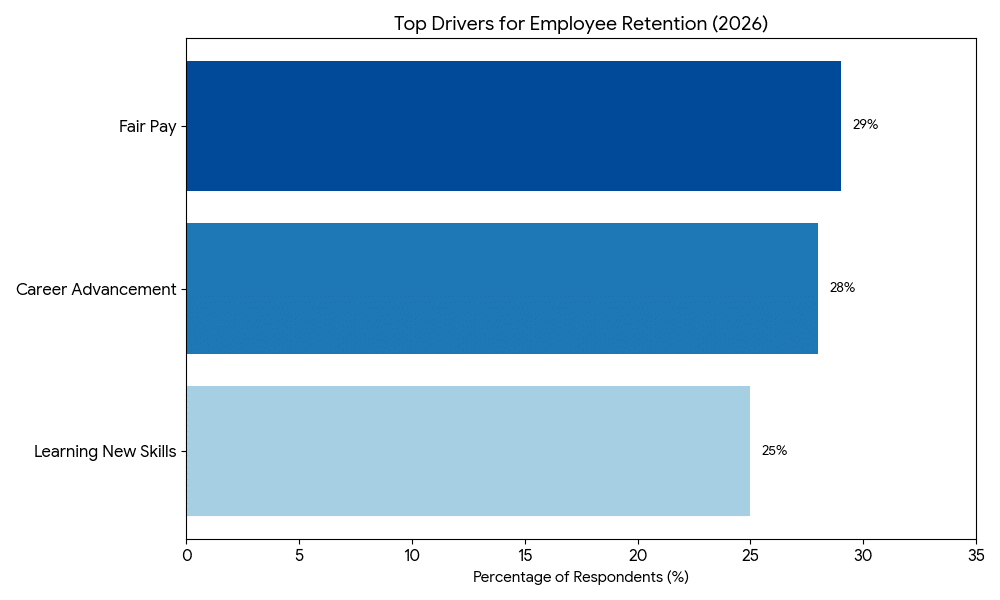
While a paycheck is necessary, it isn’t the only thing keeping talent in their seats. When asked why they stay with an employer long-term, workers cited three primary drivers:
- Fair Pay: 29%
- Career Advancement: 28%
- Opportunities to Learn New Skills: 25%
The Takeaway for Employers: High retention in 2026 requires more than a competitive salary. Organizations must invest in leadership training to ensure managers are supportive and that the company culture is a “pull” factor rather than a “push” factor.
2. The Skilled Trades Renaissance
One of the most striking trends in the 2026 report is the surge of optimism surrounding skilled trades. Careers in manufacturing, construction, and logistics are no longer seen as “backups” but as primary, high-prestige choices.
- 76% of job seekers find skilled trades careers appealing.
- 84% are confident they could succeed in a trades-based role.
- 55% of survey respondents are already working within these sectors.
This shift is driven by the desire for stability and the opportunity to work with cutting-edge technology. In fact, 27% of job seekers are specifically looking at manufacturing roles to get hands-on experience with new tech.
3. The Death of the “Traditional” Career Ladder
The standard path of “entry-level to manager” is becoming less common. Today’s workforce is embracing non-linear career paths.
Surprisingly, only 30% of workers expect to advance into management or supervisory roles this year. A full 41% have no interest in traditional management positions at all. Instead, they are looking for lateral moves that allow them to broaden their skill sets without the administrative burden of leadership.
The Rise of the “Second Job” for Skills
The trend of holding a second job has jumped from 23% in 2025 to 30% in 2026. Interestingly, this isn’t always about the money. 35% of those with second jobs are pursuing them specifically to gain new skills that their primary employer may not offer.
4. How Employers Can Adapt in 2026
To attract and keep top talent in this evolving landscape, Aerotek suggests a shift in strategy:
- Support Non-Linear Growth: Create pathways for lateral moves and “expert” tracks that don’t require moving into management.
- Invest in Upskilling: If 35% of workers are looking elsewhere to learn new skills, provide those opportunities in-house to keep them engaged.
- Emphasize Stability and Tech: Highlight your organization’s financial health and your investment in modern tools to appeal to the “trades-optimistic” workforce.