Every holiday season tells a story about work. Not the glossy kind. The real kind. Long shifts. Cold mornings. Calloused hands. The American workforce history is built on holiday traditions forged through effort, sacrifice, and shared purpose.
This story starts before paid holidays existed.
The 1800s: The Price of Time Off
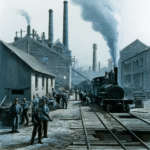
In the 1800s, most American workers took holidays only when employers allowed unpaid time off. Work ruled daily life. Factories ran long shifts. Railroads moved freight nonstop. Docks stayed active through winter. Christmas rarely stopped production.
Time off meant no pay. Missing a day hurt household income. Many workers chose the shift over the celebration. Others worked half days or night shifts. Employers set the rules. Labor laws offered no protection.
Families adapted. Celebrations moved to evenings. Meals stayed modest. Bread, stew, preserved meat. Gifts focused on children. Often handmade. Often shared.
Community carried weight. Churches hosted gatherings. Neighbors pooled food. Mutual aid societies stepped in when wages fell short. Faith, routine, and shared struggle shaped the season.
The holiday spirit existed. It looked different. Work came first. Resilience followed.
Work defined celebration.
The Industrial Revolution and the Rise of Paid Holidays
During the Industrial Revolution, the American workforce grew at an unprecedented pace. Mills ran day and night. Foundries poured steel without pause. Rail yards moved freight across the country on strict timetables. Labor shifted from farms to factories. Time became measured by whistles and clocks, not daylight.
Crowded cities followed industrial growth. Long shifts and dangerous conditions defined daily work. In response, workers began organizing in large numbers. Labor unions formed to demand limits on hours, safer workplaces, and predictable time off. These efforts tied work schedules to human needs, not only production output.
By the early 1900s, pressure from organized labor led to formal recognition of major holidays. Christmas and Thanksgiving started appearing on factory schedules. Paid holidays remained rare, but scheduled shutdowns became more common. For many workers, these dates marked the first reliable chance to rest, gather with family, and step away from industrial labor, even if only briefly.
Paid holidays became symbols of progress.
World War II and The Modern Workforce
World War II reshaped the workforce at scale. Millions entered factories, ports, and shipyards. Women filled roles once closed to them. Shifts ran day and night. Production targets replaced personal routines. The holiday season carried a different meaning. Work supported troops overseas. Posters honored effort and sacrifice. Communities rallied around families. Rationing sharpened focus. Every task felt connected to the war effort. Work became service.
After the war, momentum carried forward. Construction boomed. Transportation networks expanded. Skilled trades gained strength. Manufacturing stabilized the middle class. Paid holidays became common across industries. Overtime pay supported travel and gatherings. Holiday bonuses covered gifts and bills. Time off earned respect. The workforce built traditions around both labor and rest.
The modern American workforce was born in this era.

Today’s Commitment: Where Work Still Shapes Celebration
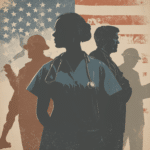
Today, the story continues across job sites, warehouses, hospitals, and offices. Work looks different from past generations. Tools changed. Technology advanced. Expectations shifted. The core stays the same. People show up. People provide. People keep the country moving while others gather, travel, and rest.
Modern schedules stretch across nights, weekends, and holidays. Supply chains run without pause. Emergency rooms stay staffed. Utilities stay online. Food moves from distribution centers to store shelves. Infrastructure depends on steady hands and steady focus. Reliability still defines the workforce.
Trades workers feel this pressure first. Construction crews race daylight and weather. Cold slows concrete. Rain delays framing. Deadlines remain. Truck drivers haul holiday freight through traffic and storms. Miles add up. Sleep shortens. Warehouses process record volumes as demand spikes. Orders flow nonstop. Health care staff cover overnight shifts, weekends, and call rotations. Patients do not pause for holidays.
The season tests commitment. Fatigue builds. Time away grows scarce. Pride fills the gap. Work continues because people depend on results. This remains the modern version of the same promise carried through history. Show up. Do the work. Carry others forward.
Work still shapes celebration.
 The Constant: Community Support and Opportunity
There is another constant through history. Community support. When workers face change, uncertainty, or transition, strong local networks matter. Staffing agencies, training programs, and employers play a quiet but steady role here. They connect people to opportunity when timing matters most.
This matters during the holidays.
For many workers, seasonal hiring opens doors. Temporary roles become full time careers. Short term income stabilizes households. Skills transfer across industries. History shows one pattern clearly. Access to work changes lives faster than words.
The American workforce has never stood still. It adapts. It learns. It carries tradition forward while building something better. The holidays reflect this journey. From unpaid days off to protected time with family. From survival to stability. From isolation to shared effort.
When you look at the workforce through history, one thing stands out. Progress comes from people who keep showing up.
Honor the Legacy
This season, honor that legacy. If you are working, your effort matters. If you are hiring, your choices matter. If you are searching for your next role, history stands behind you.
The American workforce built this country one shift at a time. The holidays simply remind us why the work matters.
Continue your reading:
Federal Holidays: Evolution and Current Practices | Congress.gov | Library of Congress
Chapter 1: The Emergence of American Labor By Richard B. Morris | U.S. Department of Labor
The Key Moments in American History that Changed Work Forever – WSJ
American Workforce Group Resources
Employment Opportunities in Cowlitz County | American Workforce Group
Employment Opportunities in Clark County WA | American Workforce Group
Employment Opportunities in Pierce County WA | American Workforce Group
Employment Opportunities in Thurston County WA | American Workforce Group